© SINOTRUK JINAN SPECIAL AUTOMOBILE CO., LTD. All rights reserved.Sitemap Privacy Policy

Washing cars is something that most car owners and relevant maintenance workers often do. However, if cars are washed improperly, instead of getting a nice “makeover”, they may risk being “disfigured”. It’s really a headache if not handled properly. So, how can we wash cars correctly without damaging them? The following introduces some precautions for car washing. Let’s take a look carefully.
I. Correct Steps for Car Washing
Car washing should be done in a timely manner. After rain or snow, vehicles should be cleaned promptly to avoid unnecessary damage and corrosion.
When starting to wash a car, it is advisable to rinse it with clean water first. Some car wash workers or car owners who wash their cars by themselves are accustomed to spraying foam directly and then rinsing with a high-pressure water gun, thinking that it is convenient and time-saving, but they overlook the tiny gravel that may exist on the car’s surface, which can easily scratch the car paint under high pressure.
The correct way to wash a car is to first wash the body with a gentle water flow to rinse off the fine particles and dust, and then spray the cleaning agent for washing.
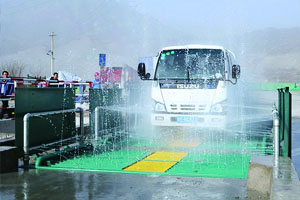
II. Precautions for Car Washing
Pay attention to drying the gaps of the car doors. After washing the car, not only should the body be dried, but special attention should be paid to drying the gaps in the door seals. Otherwise, the car doors may be frozen.
Pay attention to the keyhole when drying. Although we usually don’t use keys to open the car doors, it is still necessary to wipe the keyhole after washing the car. In case the remote control fails someday, it will be time to open the door with the key. In cold weather, it’s not uncommon for the keyhole to be frozen due to residual moisture. So, don’t be careless when drying the keyhole and make sure that the water stains in it are completely removed. You should know that once water enters such small holes, it is very difficult to melt and drain by itself.
Using hot water to wash cars is not advisable. Some car owners like to wash their cars with hot water, especially in freezing winters. However, be careful that hot water can cause unexpected damage to cars. We know that the surface temperature of cars is very low. When the temperature of the car wash water is too high, the phenomenon of thermal expansion and contraction will occur, which may not only damage the car paint but also cause the car glass to crack due to thermal expansion and contraction. So, cold water or normal temperature water may be a more appropriate choice.
Don’t use ordinary rags to wash cars. Ordinary rags are usually rather rough. Using ordinary rags to wash cars for a long time can easily damage the surface car paint. It is recommended to use special car wash rags. Their fine materials can better protect the car paint from damage. Don’t randomly use other cleaning agents to clean the car body. People often use cleaning agents such as laundry detergent, dishwashing liquid, and body wash to clean cars. In fact, these detergents have different pH values, and improper use will accelerate the aging of the car paint. Therefore, it is recommended to use professional car wash neutral cleaners to wash cars.
The water pressure for car washing should not be too high. Some car owners or car wash shop workers like to adjust the high-pressure water gun to the maximum, thinking that high pressure and high impact can make the car cleaner. However, this is a way that can easily damage the car paint. Under huge water pressure, even tiny particles can cause some scratches. Over time, the car paint will become rough and ugly.
Avoid washing cars under the scorching sun. Don’t think that it will dry faster when the sun is strong. In fact, this can easily cause the aging of the car paint. After washing the car, there will be some small water droplets on the car’s surface. These small water droplets exist in the form of convex lenses. When exposed to the intense sunlight, they may form a focusing effect and may burn the vehicle.